

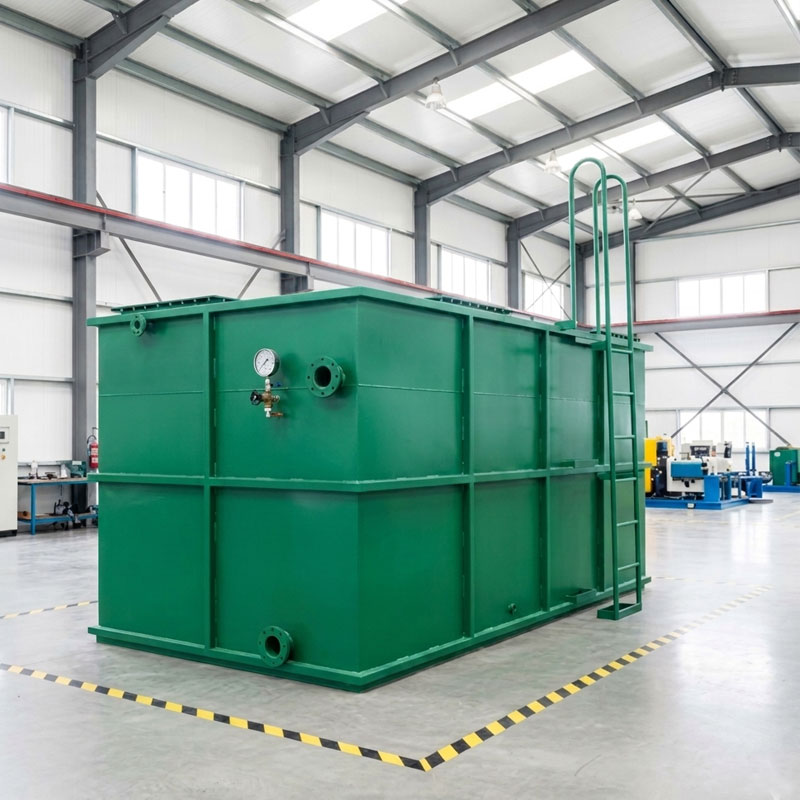
Food industry storage tanks are a crucial part of the production process, containing various raw materials and food products. They ensure food safety and hygiene, optimize production processes, and contribute to the sustainable development of the food industry.
Common types of storage tanks in the food industry include: water tanks, oil tanks, chemical tanks, gas tanks, food tanks, etc.

Characteristics and Features of Food Industry Storage Tanks
Heat and corrosion resistance are among the important characteristics of food industry storage tanks. They are made from materials that do not affect food quality, ensuring compliance with food safety and hygiene standards.
Special features of food industry storage tanks include: rust resistance, excellent waterproofing, high durability, and ease of cleaning. This helps minimize the risk of food contamination and ensures product quality.

Benefits of Using Food Industry Storage Tanks
Using food industry storage tanks offers numerous benefits to the production process, including:
Food safety and hygiene: helps avoid food contamination risks and ensures product quality.
Cost savings and optimized production processes: helps minimize time and costs for transporting, storing, and preserving food.
Contributing to the sustainable development of the food industry: helps increase production efficiency and minimize environmental impact.
For further details, please contact:
